何韦葶

Flow 3.0: Giving Users More Control Over Music Recommendations

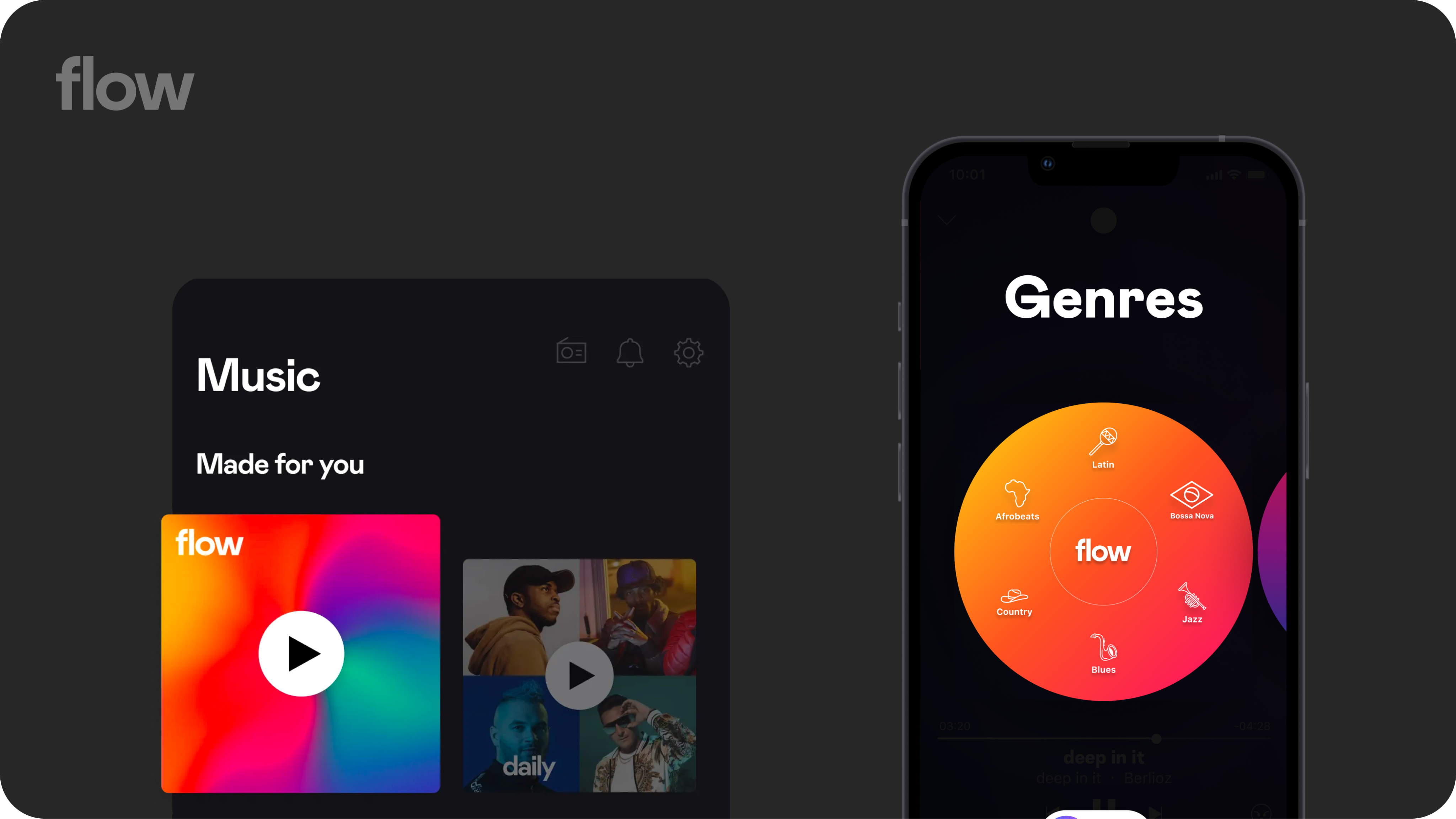
I led the redesign of Flow, Deezer’s flagship personalized listening experience, to address a recurring trust issue: users felt recommendations were random, repetitive, and hard to influence. This project focused on restoring trust in recommendations by making Flow more understandable, adjustable, and aligned with users’ listening intent.

Scope

Recommendation feature & Engagement

Team

Product, Engineering, Global Editorial Team

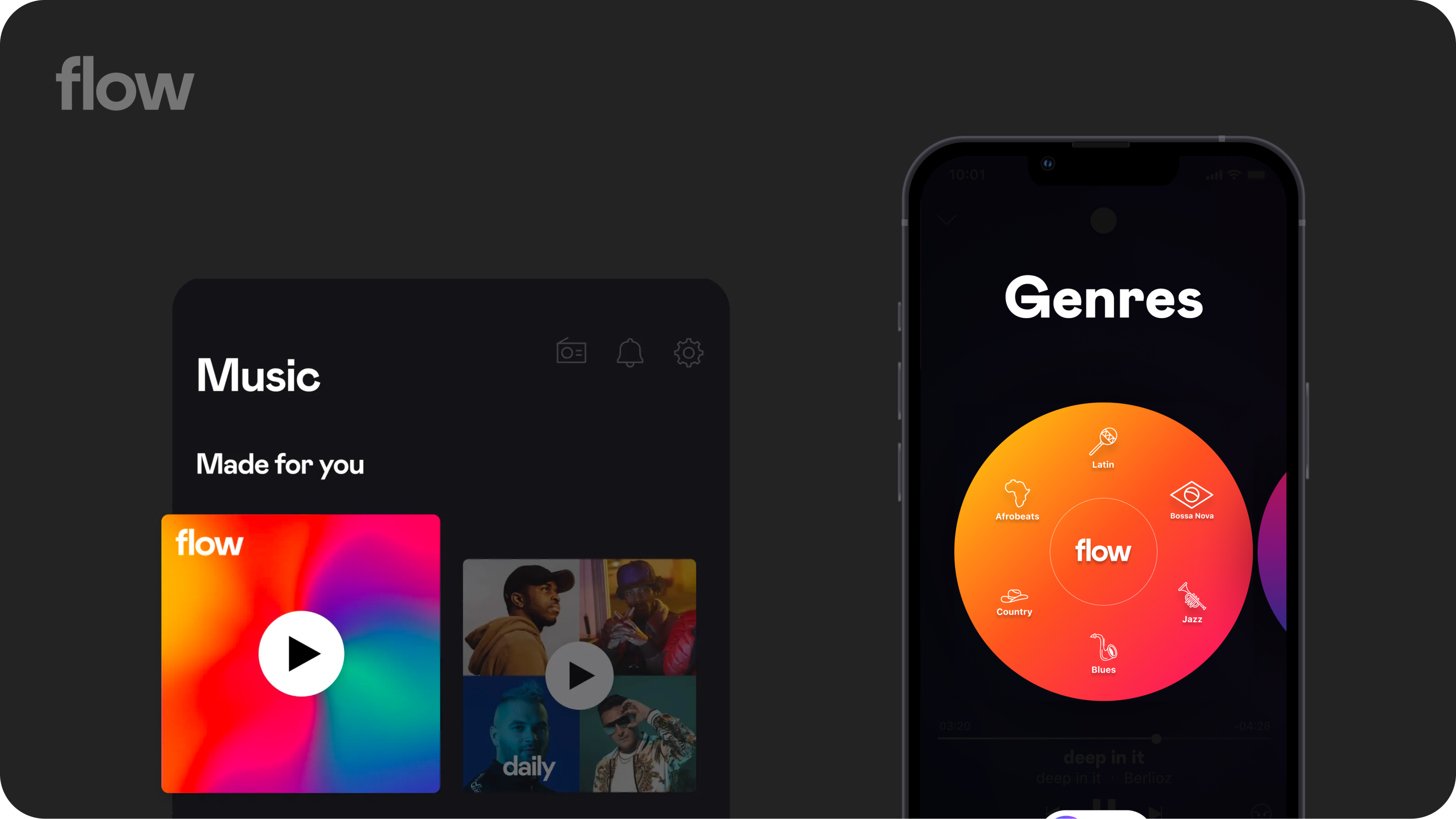
hero image

Overview

a Trust Gap Between Users and Flow

Flow is Deezer’s flagship personalised listening algorithm averaging 1 million users per day.

Despite strong adoption, internal research showed declining trust and long-term engagement due to perceived randomness and lack of control.

User interviews highlighted recurring friction:

  • Genre and mood inconsistency within a single session
  • Overrepresentation of already-known tracks
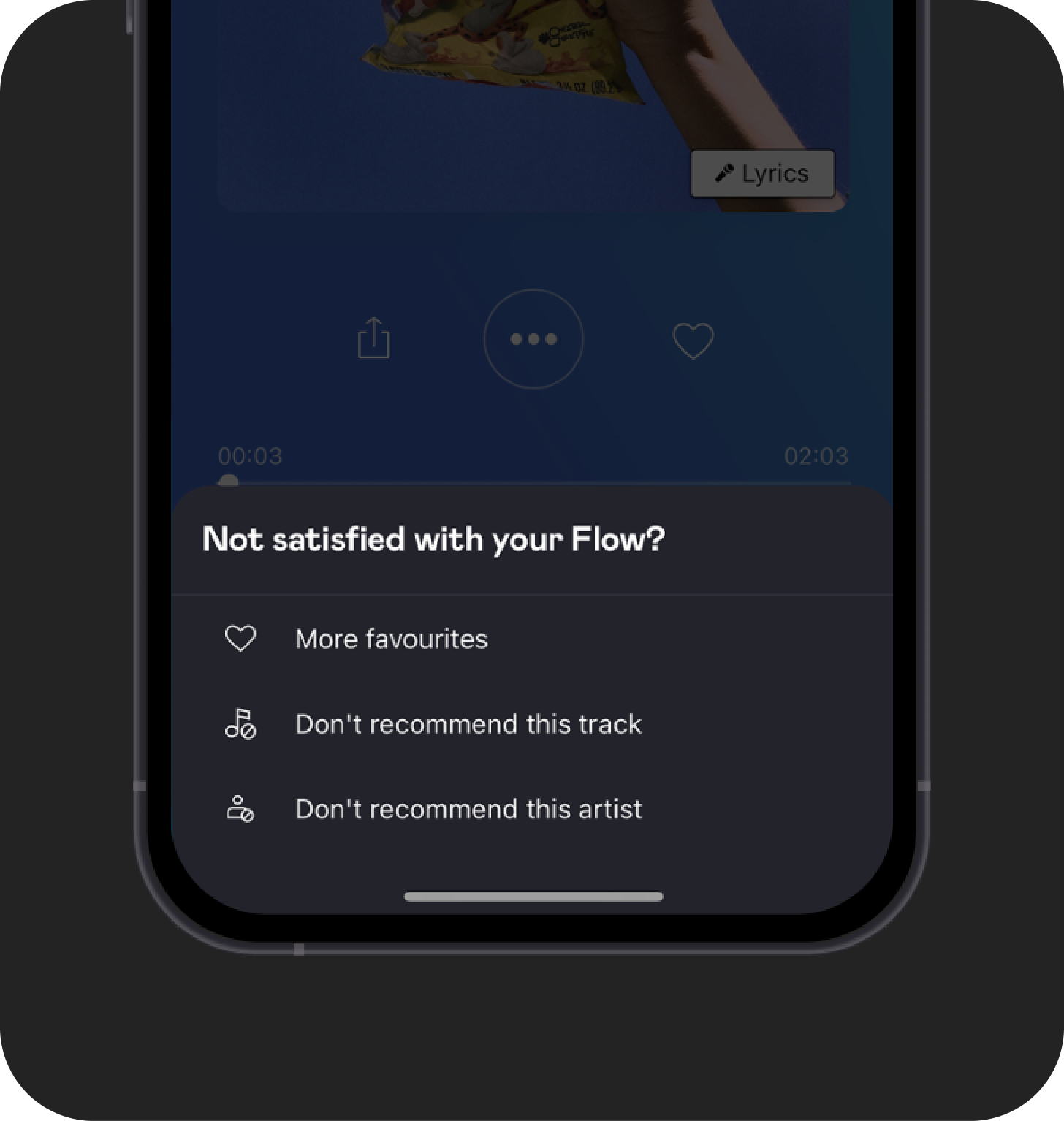
  • No way to steer or correct recommendations
  • (~30 qualitative interviews)

These issues weakened perceived relevance and reduced repeat usage.

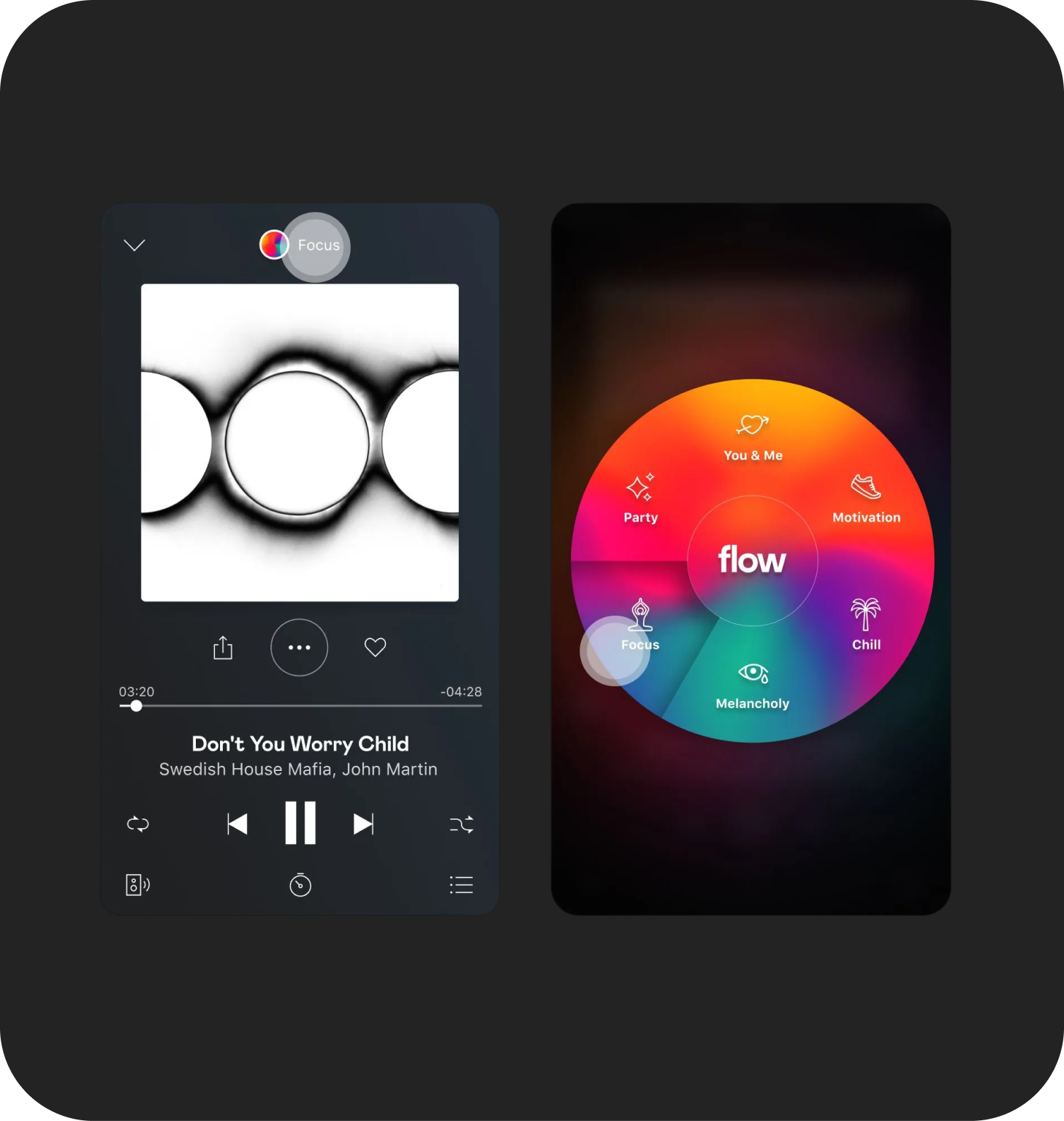
Before

After

Before

After

Context & Constraints

Flow felt like a black box

Users couldn’t understand why music was recommended, nor influence it in the moment, leading to disengagement instead of exploration.

Context

  • Flow had to remain fast, lightweight, and emotionally engaging
  • Used by both passive listeners and power users
  • Deeply coupled with recommendation algorithms

Constraints

  • No complex settings or heavy configuration flows
  • Minimal interruption to playback
  • Changes had to scale across millions of sessions
flow

Key Design Moves

Designing for Intent, Not Configuration

The solution wasn’t more settings, it was meaningful, lightweight control. Users don’t want to configure recommendations. They want to nudge them. Control needed to be: lightweight, contextual and reversible.

  1. Anchor Flow Sessions with Intent

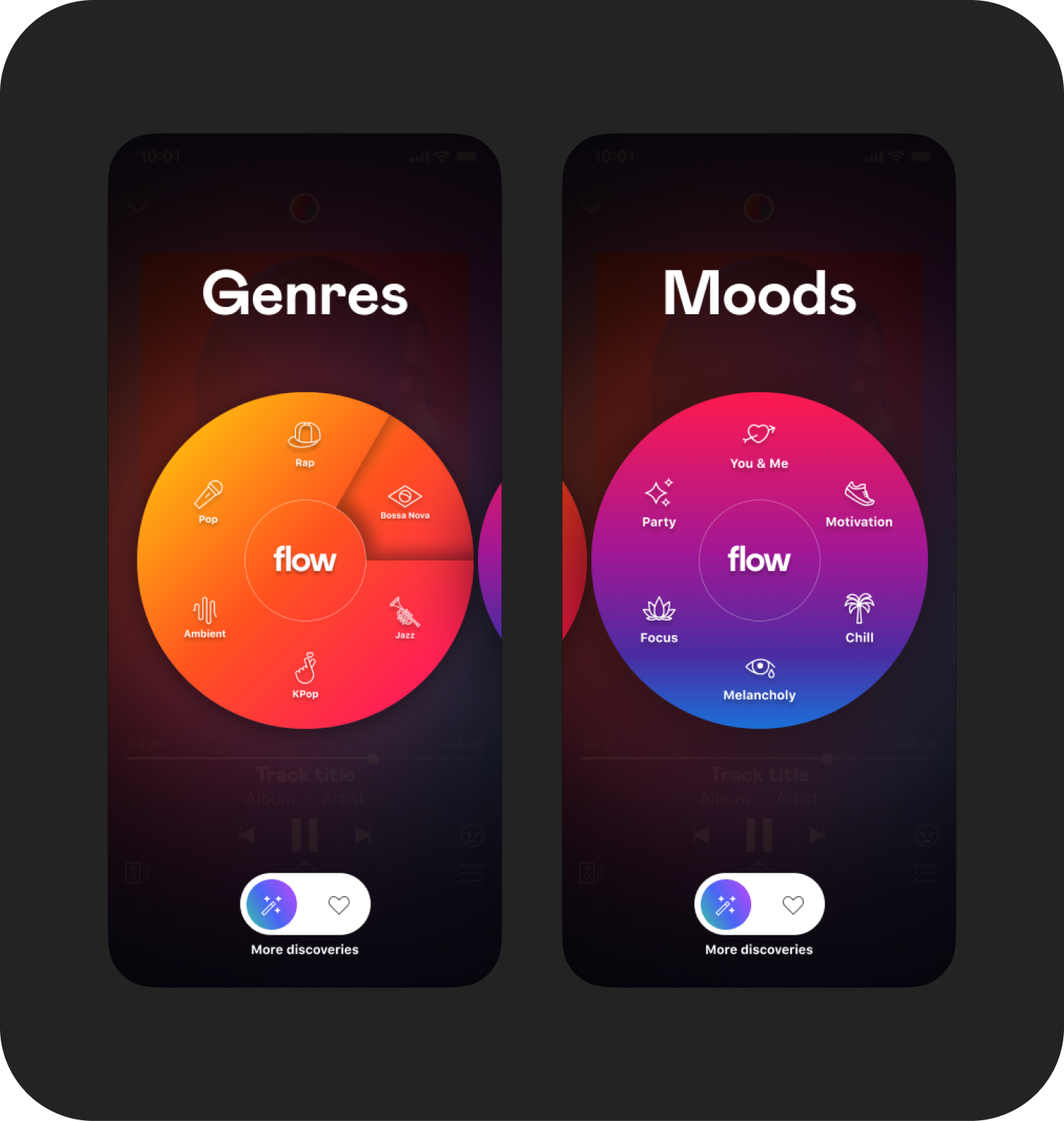
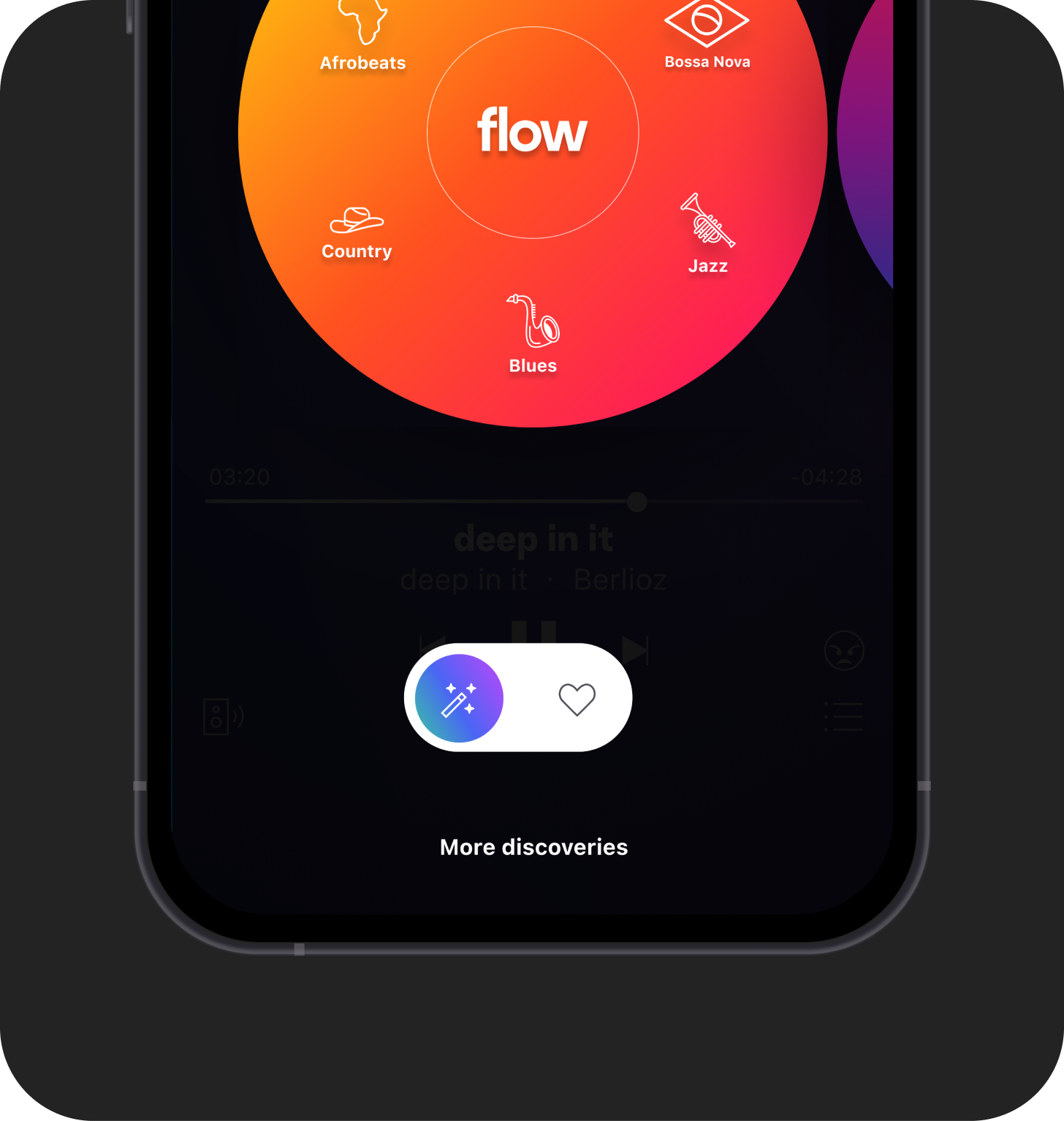
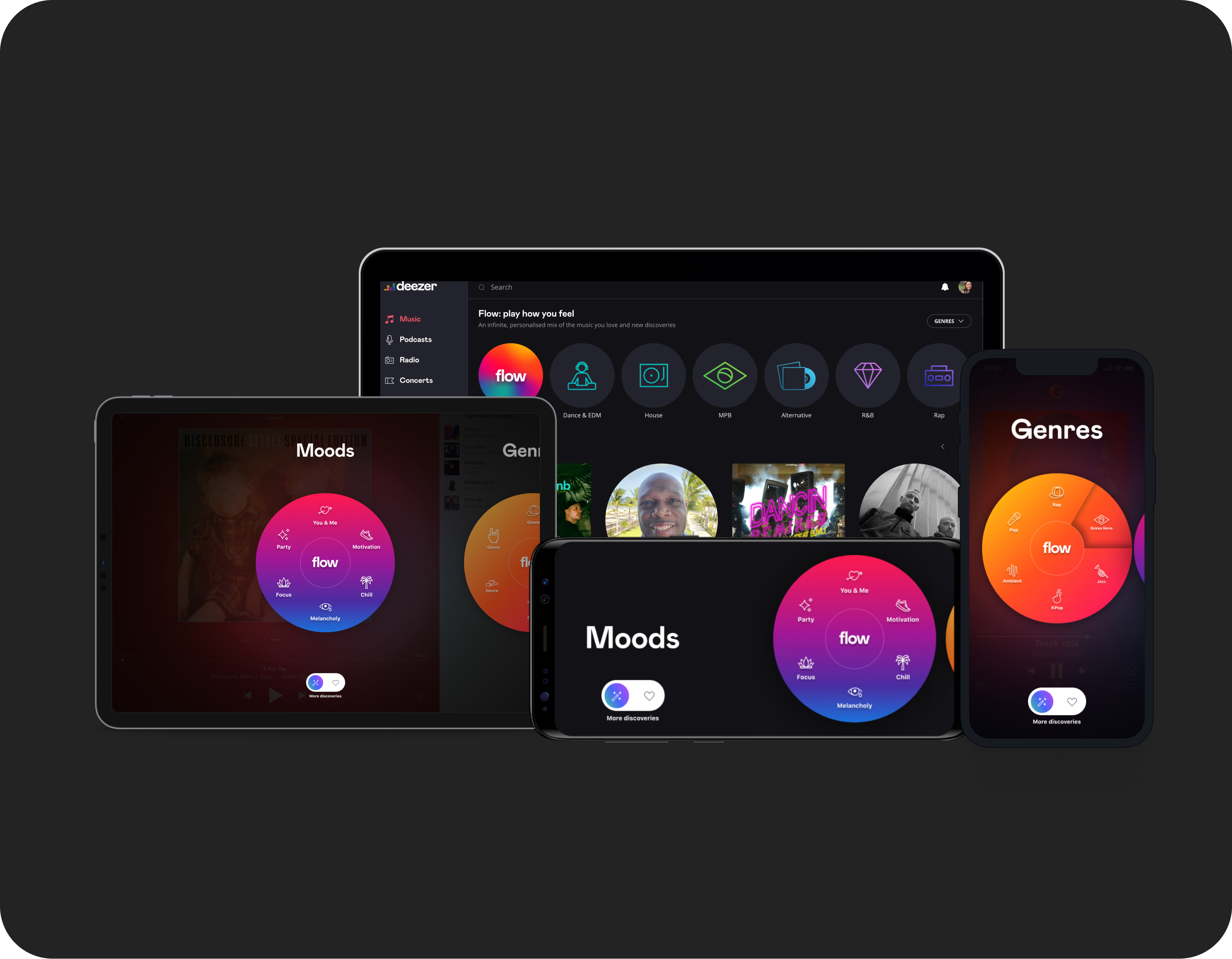
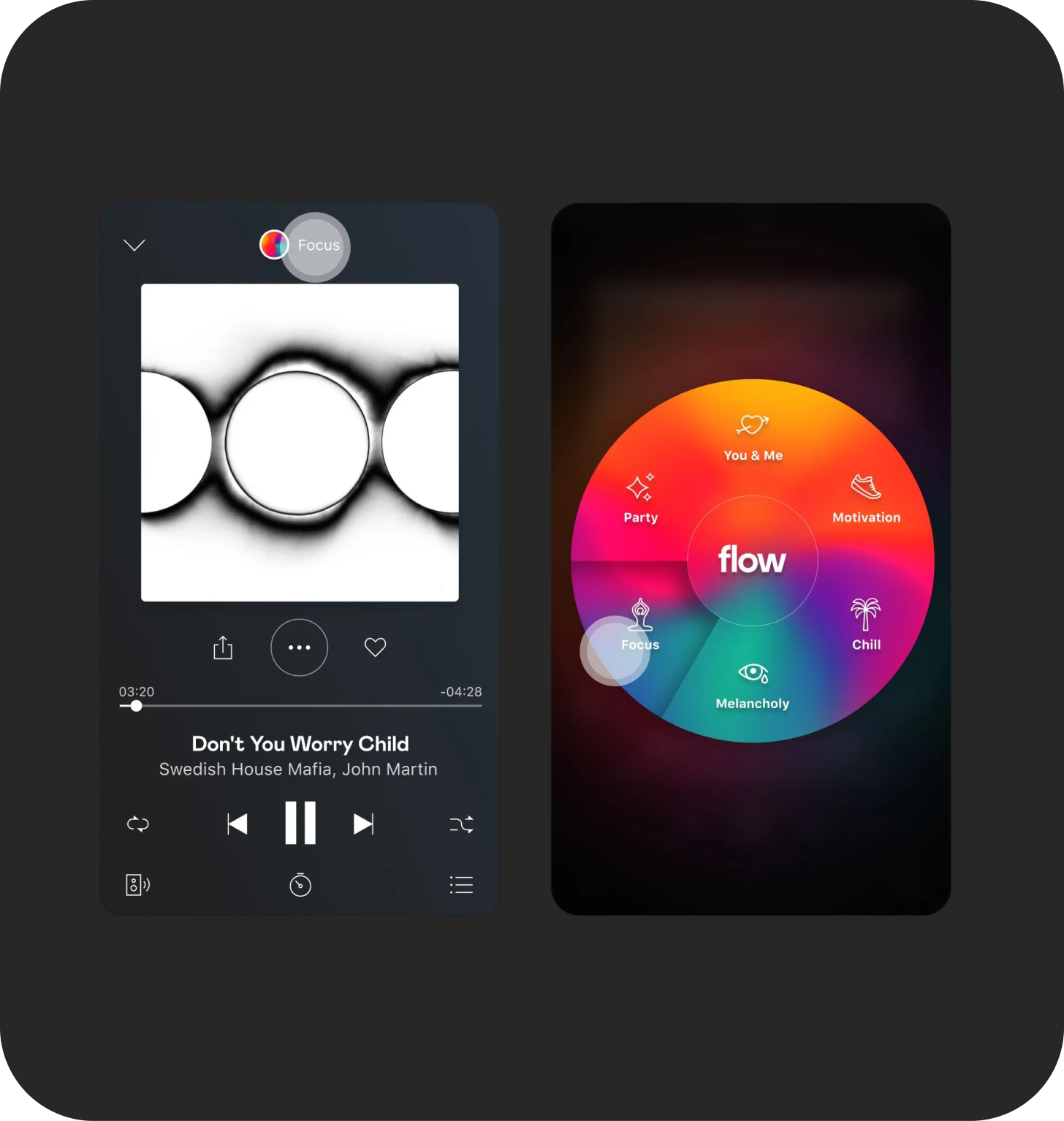
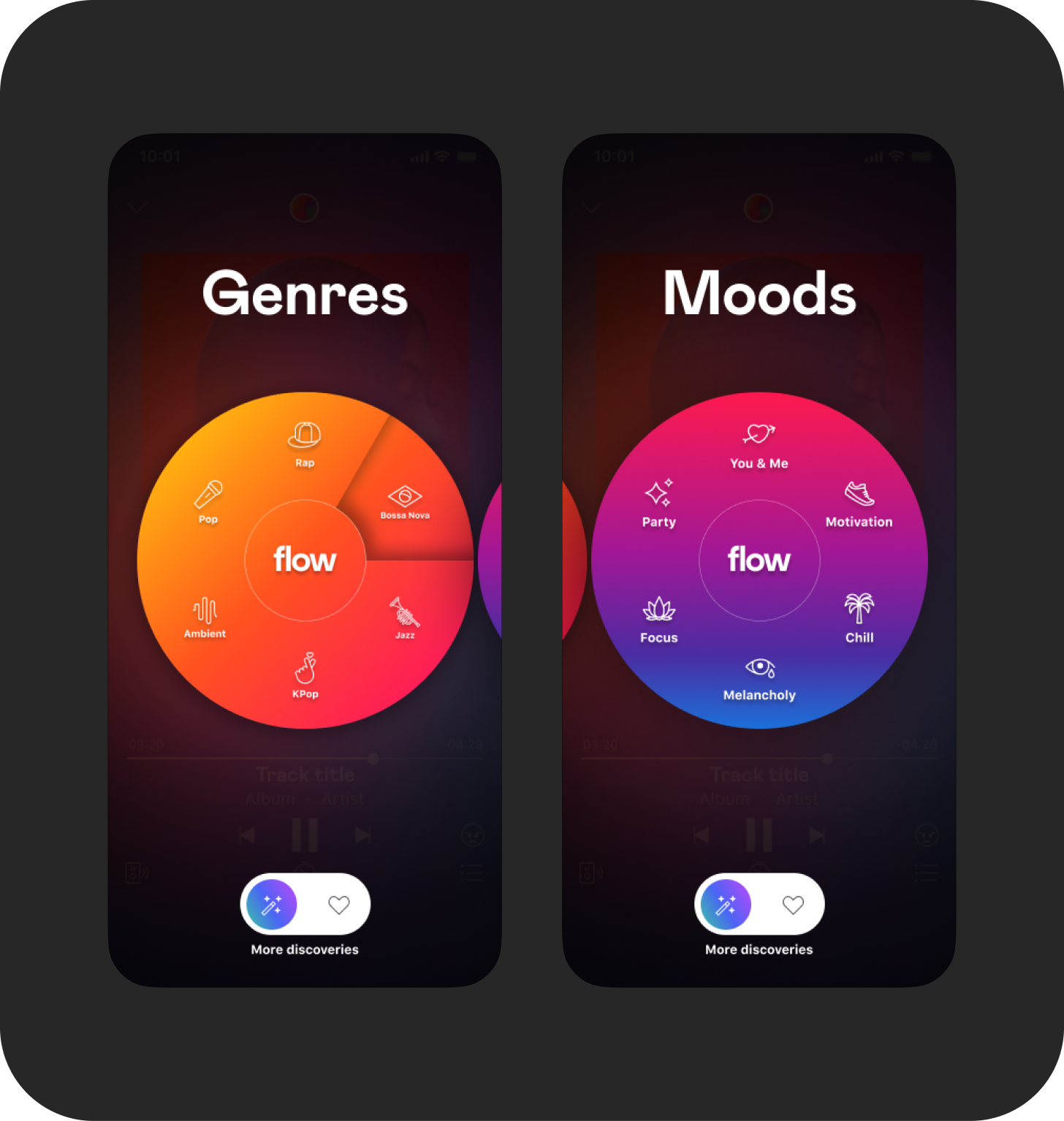
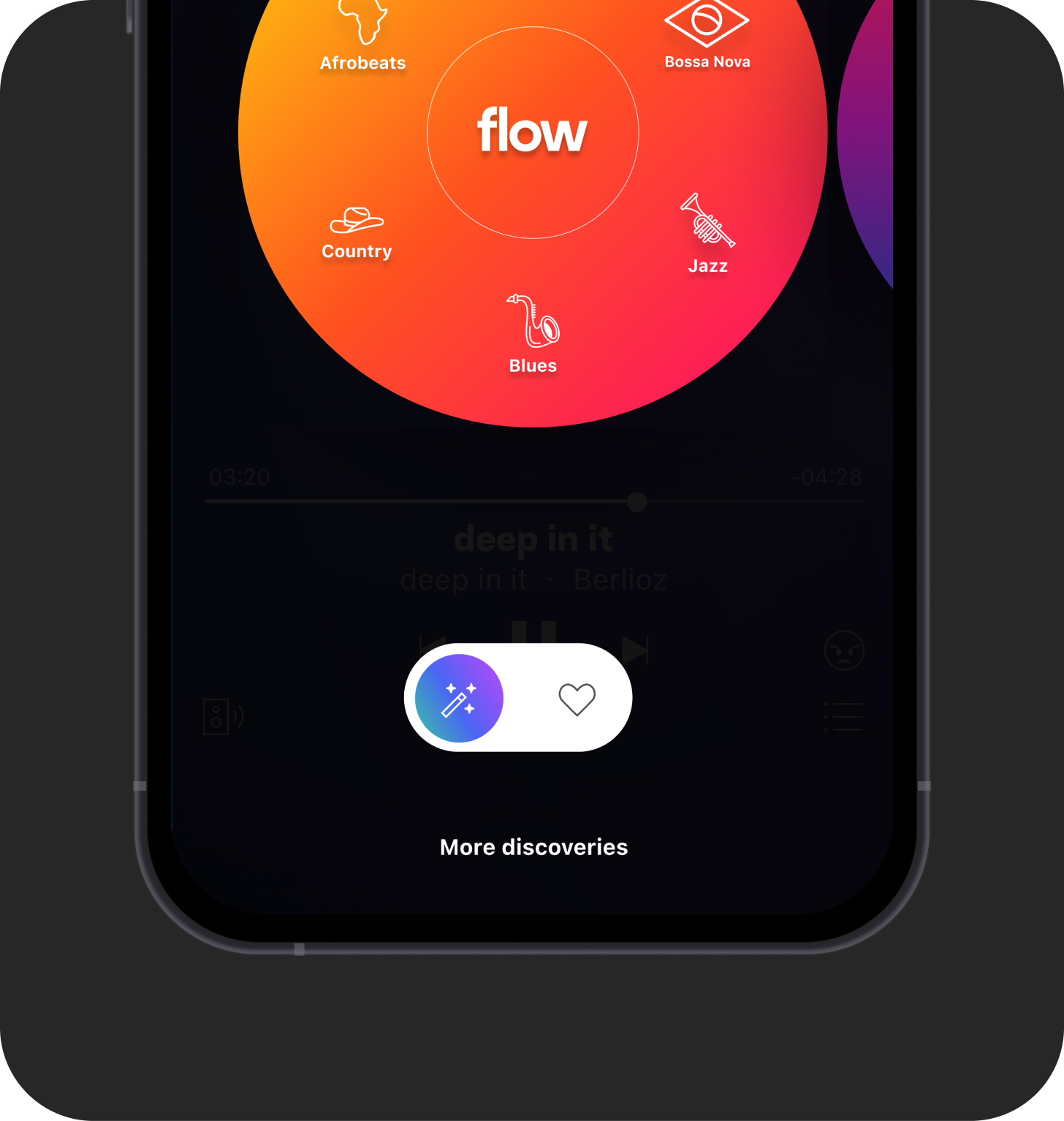
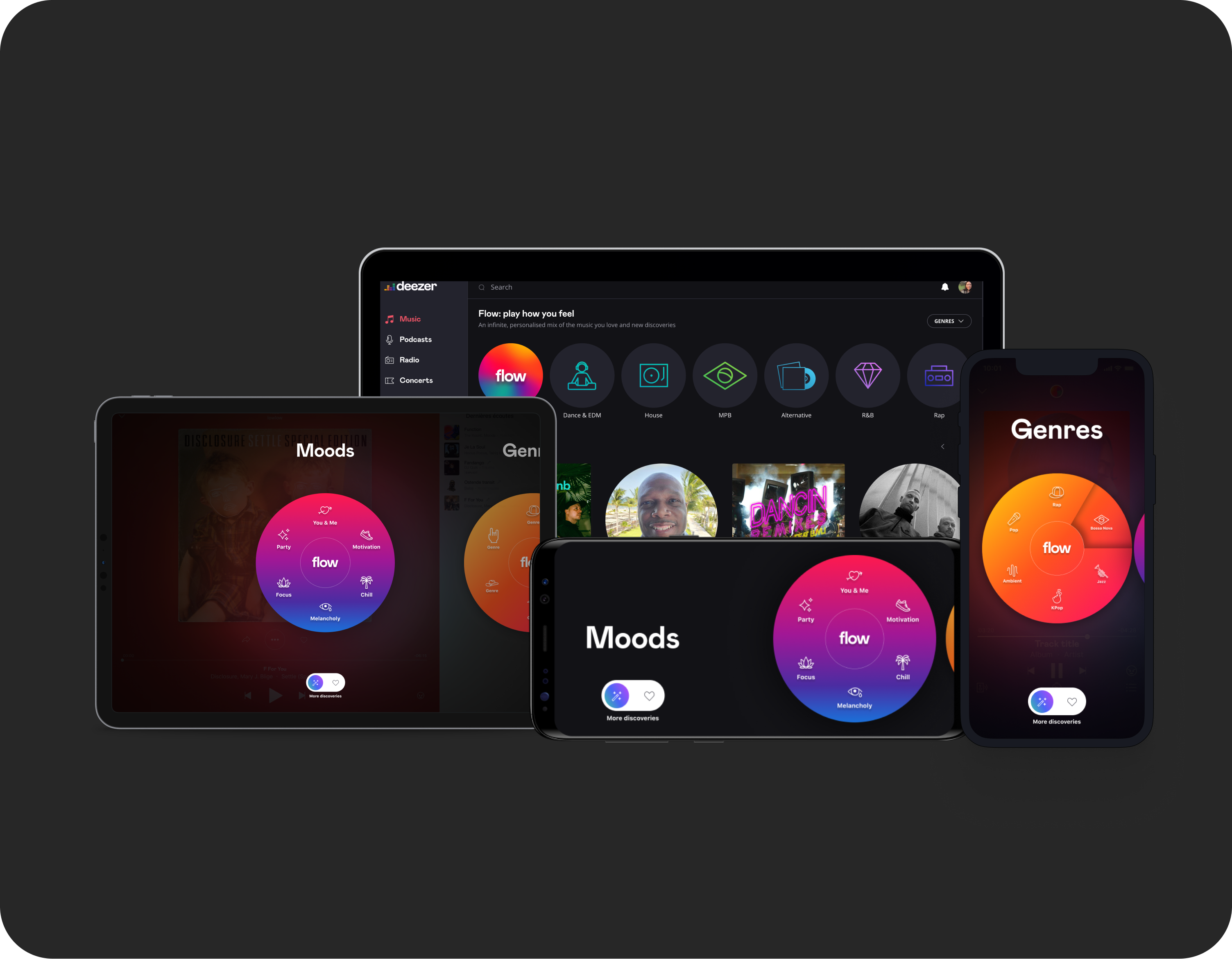
Added genre selection in addition to moods giving visual feedback to the user. This clarified the direction of the algorithm.

  1. Make Discovery Explicit

Added a toggle for users to choose between: exploring new music or listening to favorites.

This surfaced recommendation logic.

  1. Direct visual feedback

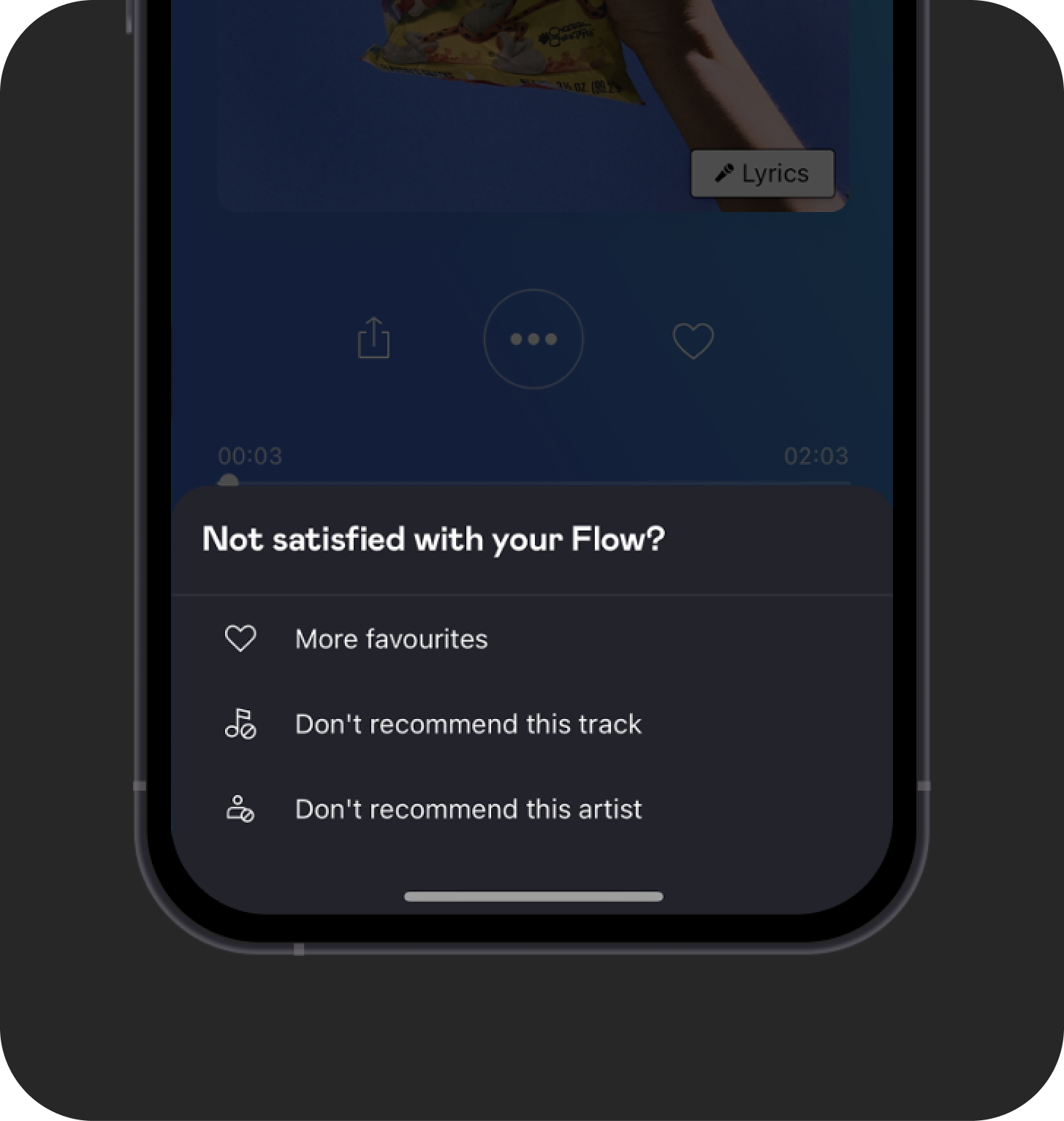
Users now have the power to shape their listening sessions like never before, allowing them to feel fully in control of their experience. This influence enhances engagement and personal connection, making each session uniquely tailored to their preferences.

Outcome

Users can now enjoy greater control over their flow, with more genres, favorites, and discovery options.

Postsoft launch results (30 days):

+10% increase in songs saved from Flow

+40% increase in regular Flow listenersQualitative feedback confirmed improved trust:

“Now I feel like Flow understands what I want right now.”

By shifting Flow from a predictive system to a collaborative one, the redesign: increased engagement without adding complexity, improved perceived relevance and discovery, restored trust in personalization.

Claire Lecerf ⓒ 2026

Get In Touch

何韦葶

Flow 3.0: Giving Users More Control Over Music Recommendations

I led the redesign of Flow, Deezer’s flagship personalized listening experience, to address a recurring trust issue: users felt recommendations were random, repetitive, and hard to influence. This project focused on restoring trust in recommendations by making Flow more understandable, adjustable, and aligned with users’ listening intent.

Scope

Recommendation feature & Engagement

Team

Product, Engineering, Global Editorial Team

hero image

Overview

a Trust Gap Between Users and Flow

Flow is Deezer’s flagship personalised listening algorithm averaging 1 million users per day.

Despite strong adoption, internal research showed declining trust and long-term engagement due to perceived randomness and lack of control.

User interviews highlighted recurring friction:

  • Genre and mood inconsistency within a single session
  • Overrepresentation of already-known tracks
  • No way to steer or correct recommendations
  • (~30 qualitative interviews)

These issues weakened perceived relevance and reduced repeat usage.

Before

After

Before

After

Context & Constraints

Flow felt like a black box

Users couldn’t understand why music was recommended, nor influence it in the moment, leading to disengagement instead of exploration.

Context

  • Flow had to remain fast, lightweight, and emotionally engaging
  • Used by both passive listeners and power users
  • Deeply coupled with recommendation algorithms

Constraints

  • No complex settings or heavy configuration flows
  • Minimal interruption to playback
  • Changes had to scale across millions of sessions
flow

Key Design Moves

Designing for Intent, Not Configuration

The solution wasn’t more settings, it was meaningful, lightweight control. Users don’t want to configure recommendations. They want to nudge them. Control needed to be: lightweight, contextual and reversible.

  1. Anchor Flow Sessions with Intent

Added genre selection in addition to moods giving visual feedback to the user. This clarified the direction of the algorithm.

  1. Make Discovery Explicit

Added a toggle for users to choose between: exploring new music or listening to favorites.

This surfaced recommendation logic.

  1. Direct visual feedback

Users now have the power to shape their listening sessions like never before, allowing them to feel fully in control of their experience. This influence enhances engagement and personal connection, making each session uniquely tailored to their preferences.

Outcome

Users can now enjoy greater control over their flow, with more genres, favorites, and discovery options.

Postsoft launch results (30 days):

+10% increase in songs saved from Flow

+40% increase in regular Flow listenersQualitative feedback confirmed improved trust:

“Now I feel like Flow understands what I want right now.”

By shifting Flow from a predictive system to a collaborative one, the redesign: increased engagement without adding complexity, improved perceived relevance and discovery, restored trust in personalization.

Claire Lecerf ⓒ 2026

Get In Touch

何韦葶

Flow 3.0: Giving Users More Control Over Music Recommendations

I led the redesign of Flow, Deezer’s flagship personalized listening experience, to address a recurring trust issue: users felt recommendations were random, repetitive, and hard to influence. This project focused on restoring trust in recommendations by making Flow more understandable, adjustable, and aligned with users’ listening intent.

Scope

Recommendation feature & Engagement

Team

Product, Engineering, Global Editorial Team

hero image

Overview

a Trust Gap Between Users and Flow

Flow is Deezer’s flagship personalised listening algorithm averaging 1 million users per day.

Despite strong adoption, internal research showed declining trust and long-term engagement due to perceived randomness and lack of control.

User interviews highlighted recurring friction:

  • Genre and mood inconsistency within a single session
  • Overrepresentation of already-known tracks
  • No way to steer or correct recommendations
  • (~30 qualitative interviews)

These issues weakened perceived relevance and reduced repeat usage.

Before

After

Before

After

Context & Constraints

Flow felt like a black box

Users couldn’t understand why music was recommended, nor influence it in the moment, leading to disengagement instead of exploration.

Context

  • Flow had to remain fast, lightweight, and emotionally engaging
  • Used by both passive listeners and power users
  • Deeply coupled with recommendation algorithms

Constraints

  • No complex settings or heavy configuration flows
  • Minimal interruption to playback
  • Changes had to scale across millions of sessions
flow

Key Design Moves

Designing for Intent, Not Configuration

The solution wasn’t more settings, it was meaningful, lightweight control. Users don’t want to configure recommendations. They want to nudge them. Control needed to be: lightweight, contextual and reversible.

  1. Anchor Flow Sessions with Intent

Added genre selection in addition to moods giving visual feedback to the user. This clarified the direction of the algorithm.

  1. Make Discovery Explicit

Added a toggle for users to choose between: exploring new music or listening to favorites.

This surfaced recommendation logic.

  1. Direct visual feedback

Users now have the power to shape their listening sessions like never before, allowing them to feel fully in control of their experience. This influence enhances engagement and personal connection, making each session uniquely tailored to their preferences.

Outcome

Users can now enjoy greater control over their flow, with more genres, favorites, and discovery options.

Postsoft launch results (30 days):

+10% increase in songs saved from Flow

+40% increase in regular Flow listenersQualitative feedback confirmed improved trust:

“Now I feel like Flow understands what I want right now.”

By shifting Flow from a predictive system to a collaborative one, the redesign: increased engagement without adding complexity, improved perceived relevance and discovery, restored trust in personalization.

Claire Lecerf ⓒ 2026

Get In Touch